
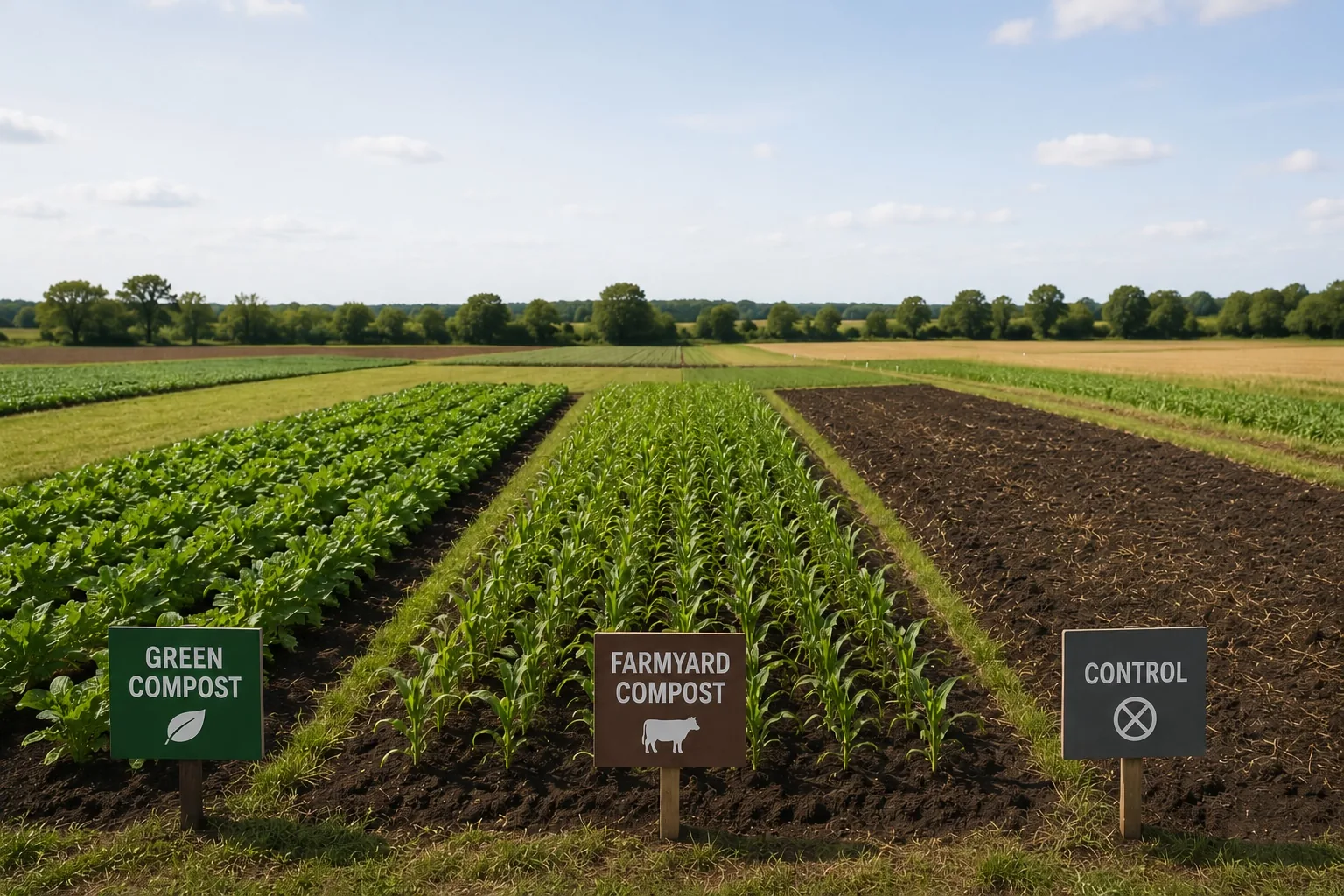
Why Long-Term Studies Matter for Soil Biology
Changes in soil microbial communities happen gradually and often become visible only after years of repeated management practices.
While short-term studies can show immediate effects, long-term field trials provide a unique opportunity to understand how management influences soil functioning, biological activity, and resilience over time.
This case study presents results from a field experiment with more than 20 years of repeated compost application. The trial provides insight into how long-term organic inputs influence soil microbial activity and whether different compost types can lead to different effects on soil biology.
Soil Testing & Methods
Why Soil Microbial Testing Is a Smart Strategy
Why Do We Test Soils? Chemical soil testing is standard practice in modern agriculture. It is recommended by agronomists and scientists, and often offered by fertiliser companies.…
Read more →Not Sure About Soil Biology Testing?
Discover how it can support better decisions, reduce uncertainty, and bring real value to your work.
20-Year Compost Application: Field Trial Overview
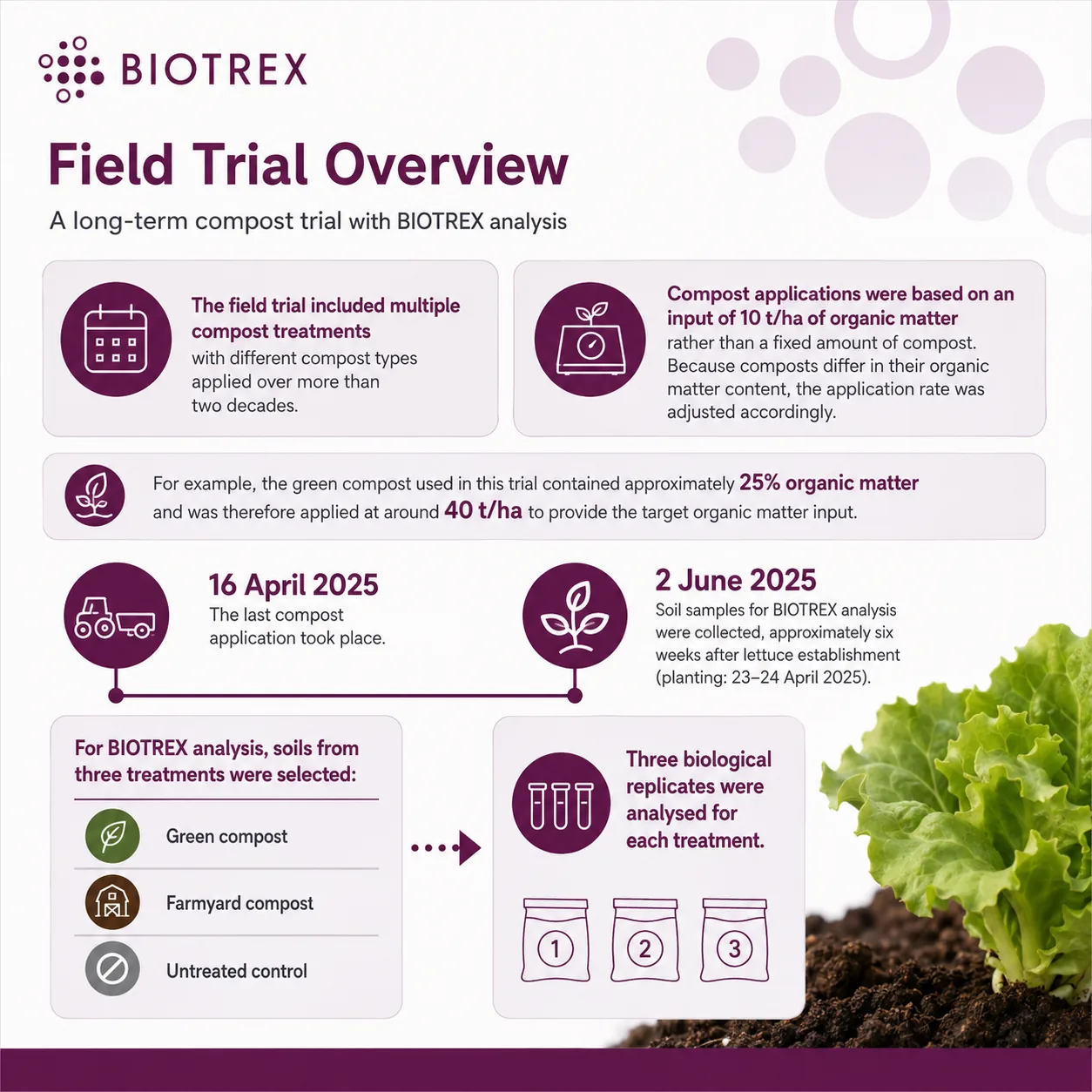
This case study is based on a long-term field trial conducted by Harvestis, a Belgian research station specializing in practical and applied research for vegetable production. With more than 60 years of experience, Harvestis supports innovation in the vegetable sector by developing practical solutions and conducting field-based research focused on sustainable crop production and soil management.
Why Compare Different Compost Types?
Compost application is widely used to improve soil quality and support long-term soil health. Regardless of the type used, compost can provide many benefits, including:
- increasing soil organic matter,
- improving soil structure,
- supporting water infiltration and water retention,
- supplying nutrients,
- contributing to carbon storage,
- supporting soil biological activity,
- improving soil resilience.
At the same time, not all composts are the same. Their composition depends on the source materials used, how they are produced, and how long they are composted.
Because of this, different compost types may provide benefits through different pathways and lead to different long-term effects on soil biology.
Green compost
Green compost is usually produced from plant materials such as grass clippings, leaves, pruning residues, and other green waste. Green compost is produced in well-controlled environment, which makes its composition more stable.
Because it comes from different plant sources, it may provide a wide range of organic materials for soil microorganisms. These inputs can support microbial activity and stimulate different soil processes.
Long-term applications may therefore influence not only overall microbial activity but also the diversity of functions performed by the soil microbial community.
Farmyard compost
Farmyard compost is made from agricultural materials such as manure, bedding, and crop residues. As it is produced on the farm, its composition and quality may vary from year to year.
It is an important source of organic matter and nutrients and can contribute to improving soil fertility and increasing soil carbon content.
What Happened to Soil Biology After 20 Years of Compost Application? Key Findings From The Field Trial.
Overall, the analysed soils were in good biological condition. All treatments showed active and functionally diverse microbial communities, indicating that the field supported healthy soil biological processes regardless of compost treatment.
However, the BIOTREX results revealed several interesting differences between the compost types.
1. Green compost consistently achieved the strongest biological response
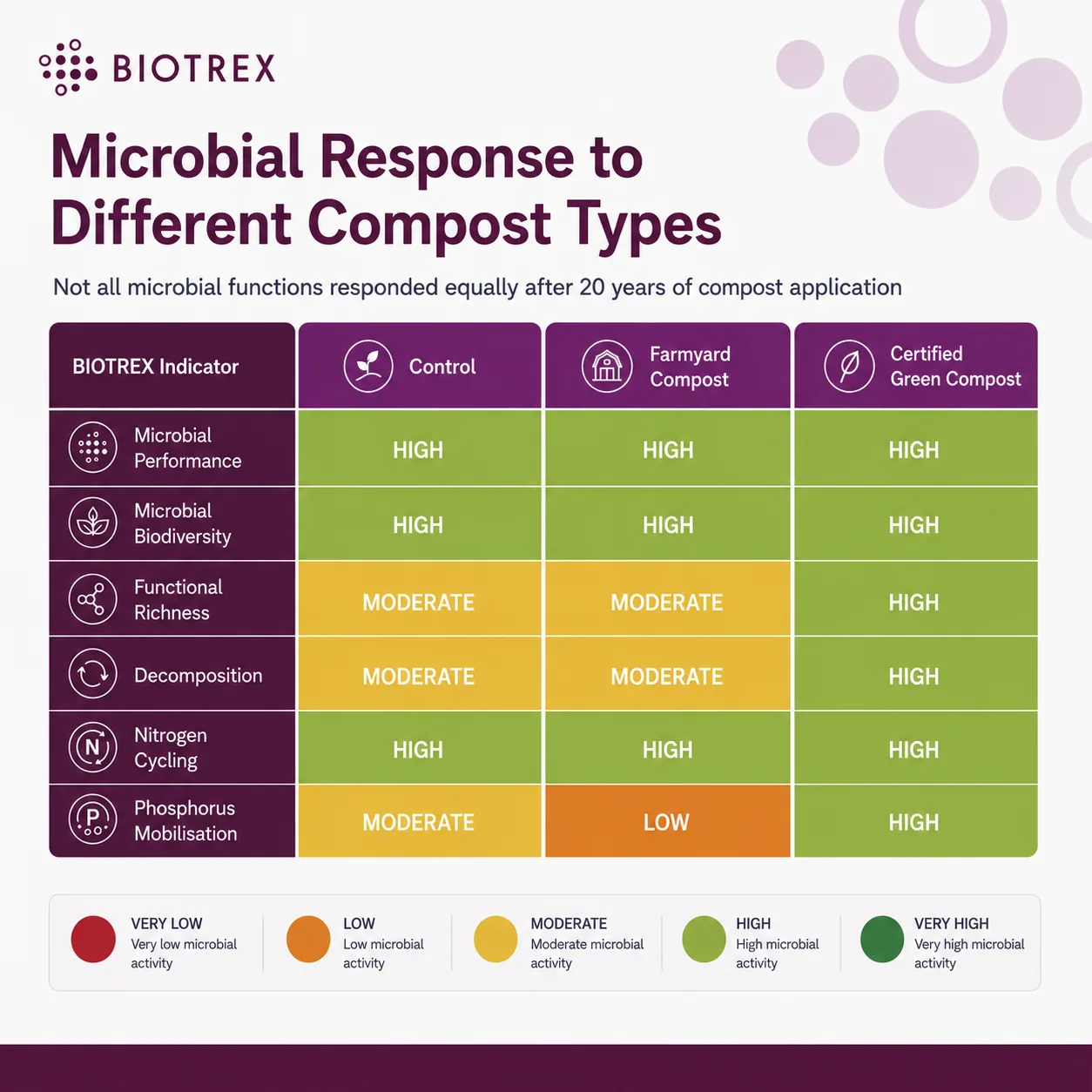
Across all major BIOTREX indicators, the highest scores were observed in the green compost treatment.
The differences were particularly visible for Microbial Performance, Functional Richness, Decomposition Potential, and Phosphorus Mobilisation Potential. This suggests that long-term applications of green compost supported not only microbial activity, but also a broader range of soil functions.
2. Not all microbial functions responded in the same way
While some indicators showed clear differences between treatments, others remained relatively similar.
For example, Nitrogen Cycling Potential was high across all treatments, whereas much larger differences were observed for Decomposition Potential and Phosphorus Mobilisation Potential.
This suggests that long-term compost application may influence specific microbial functions more strongly than others.
3. The untreated soil still showed good biological condition
One of the most interesting observations was the relatively strong performance of the untreated control.
Although compost-treated soils generally achieved higher scores, the control also showed good levels of microbial activity, biodiversity, and nitrogen cycling potential.
This indicates that the field as a whole supported healthy soil biological processes, allowing the effects of long-term compost application to be evaluated against an already biologically active baseline.
4. Compost type appeared to matter as much as compost application
Farmyard compost also contributed organic matter and supported soil biological activity. However, its effects were generally less pronounced than those observed for green compost and, for some indicators, were similar to the untreated control.
This was particularly evident for Phosphorus Mobilisation Potential, where farmyard compost recorded the lowest score among the evaluated treatments.
While the reasons for these differences cannot be determined from this study alone, the results suggest that the characteristics of the compost itself may play an important role in shaping long-term soil biological function.
Together, these findings highlight an important lesson from this 20-year field trial: applying organic amendments can influence soil biology over the long term, but the type of compost used may affect both the strength and the nature of that response.
Interpreting Results from Real-World Field Trials
Long-term field trials provide valuable insights into how management practices influence soil health under real farming conditions. At the same time, interpreting biological results requires an understanding of the complexity of agricultural systems.
Unlike controlled laboratory experiments, field trials are influenced by many factors beyond the treatment being studied. Crop management, weather conditions, fertilisation practices, soil properties, and other agronomic decisions can all affect the soil microbial community and the processes it performs.
For this reason, individual results should not always be interpreted as the direct effect of compost application alone.
For example, Nitrogen Cycling Potential was relatively high across all treatments and showed only small differences between them. While this may suggest a limited response to compost application, it does not necessarily mean that compost had no influence on nitrogen-related microbial processes. Other factors, such as fertilisation practices or crop management, may also have contributed to the observed results.
This complexity is not a limitation of field trials but one of their greatest strengths. Field experiments capture the combined effects of management practices under realistic agricultural conditions, providing insights that are directly relevant to farmers, agronomists, and agricultural input developers.
Rather than isolating a single factor, they help us understand how soil biological processes respond within the complexity of real-world farming systems.
Soil Biological Analysis in Field Trials
Long-term field trials provide a unique opportunity to understand how management practices influence soil biology over time. In this study, differences in soil biological function were still detectable after more than 20 years of repeated compost application, highlighting the lasting impact of management decisions on the soil ecosystem.
The results also demonstrate the value of functional soil biological analyses such as BIOTREX. By measuring microbial activity and the functions performed by soil microorganisms, these analyses provide insights into the living component of soil that are not captured by conventional soil tests alone.
As interest in soil health continues to grow, combining long-term field trials with functional biological measurements can help improve our understanding of how management practices influence the resilience and functioning of agricultural soils.
Results From BIOTREX Soil Microbial Analysis
Activity and Diversity of Microbial Community
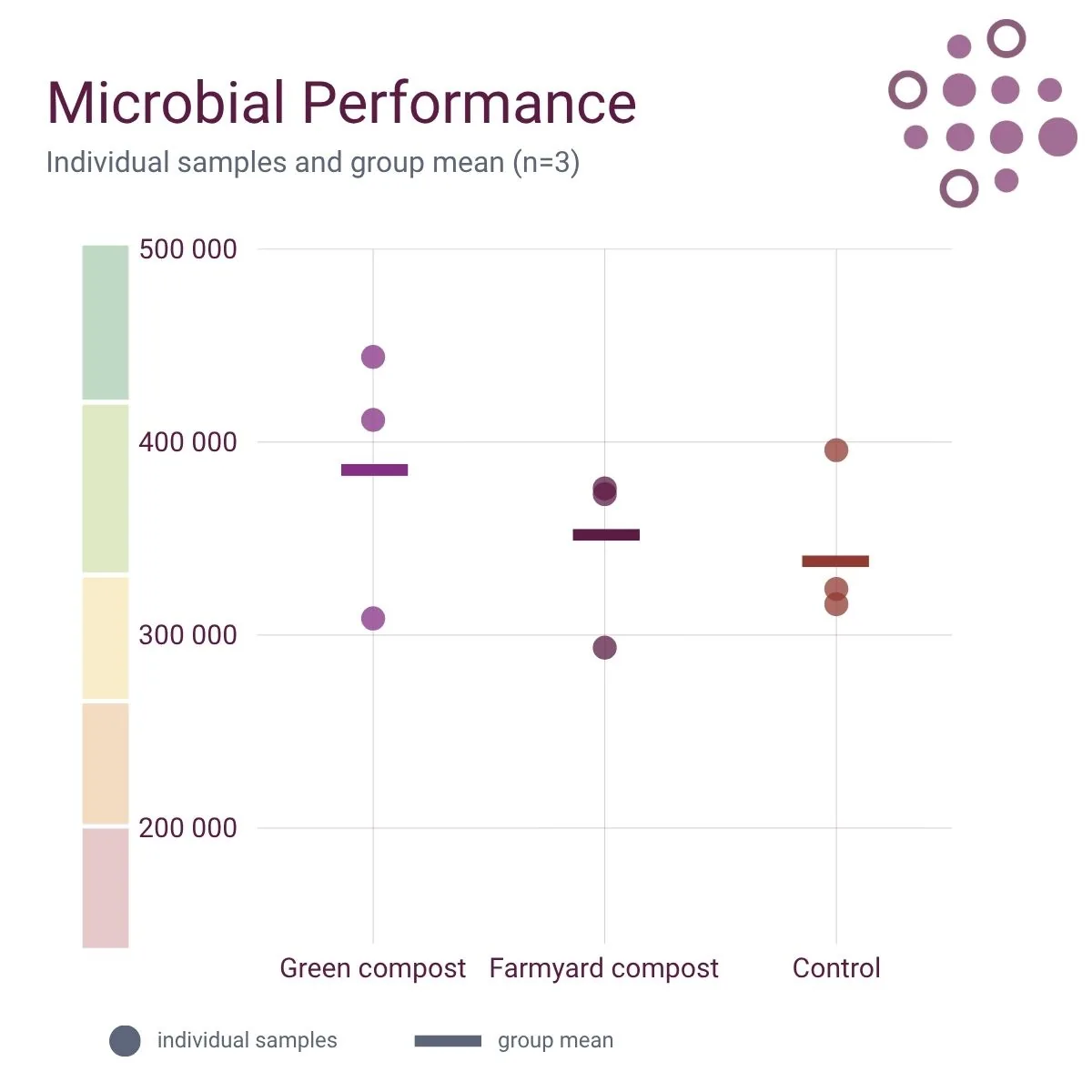
Microbial Performance and Microbial Biodiversity provide a broad overview of the condition of the soil microbial community.
Microbial Performance, which reflects overall microbial activity, was high across all treatments. However, the highest value was observed in the green compost treatment (388,064), compared with 347,505 for farmyard compost and 345,259 for the untreated control.
This suggests that long-term applications of green compost supported a more active soil microbial community than either farmyard compost or no compost application.
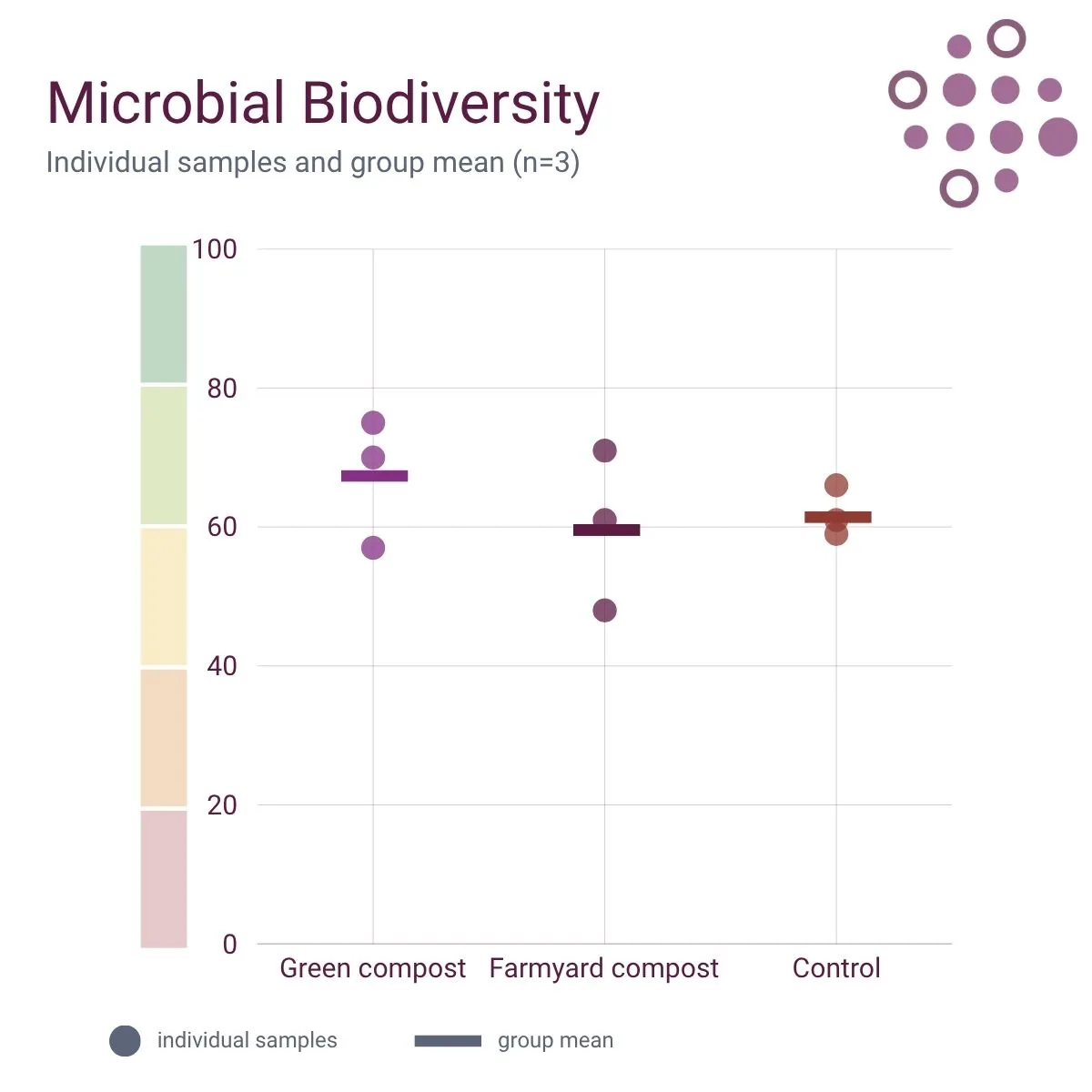
A similar pattern was observed for Microbial Biodiversity, which reflects the diversity of functions performed by soil microorganisms.
The highest value was again recorded for green compost (67.3), followed by the untreated control (62.0) and farmyard compost (60.0).
While differences in microbial biodiversity were relatively small, the results indicate that all treatments supported diverse microbial communities, with green compost showing the strongest overall biological response.
Together, these findings suggest that the soils were in good biological condition regardless of treatment, but that long-term applications of green compost provided additional benefits for microbial activity and functional diversity.
Functional Capabilities of Soil Microbes
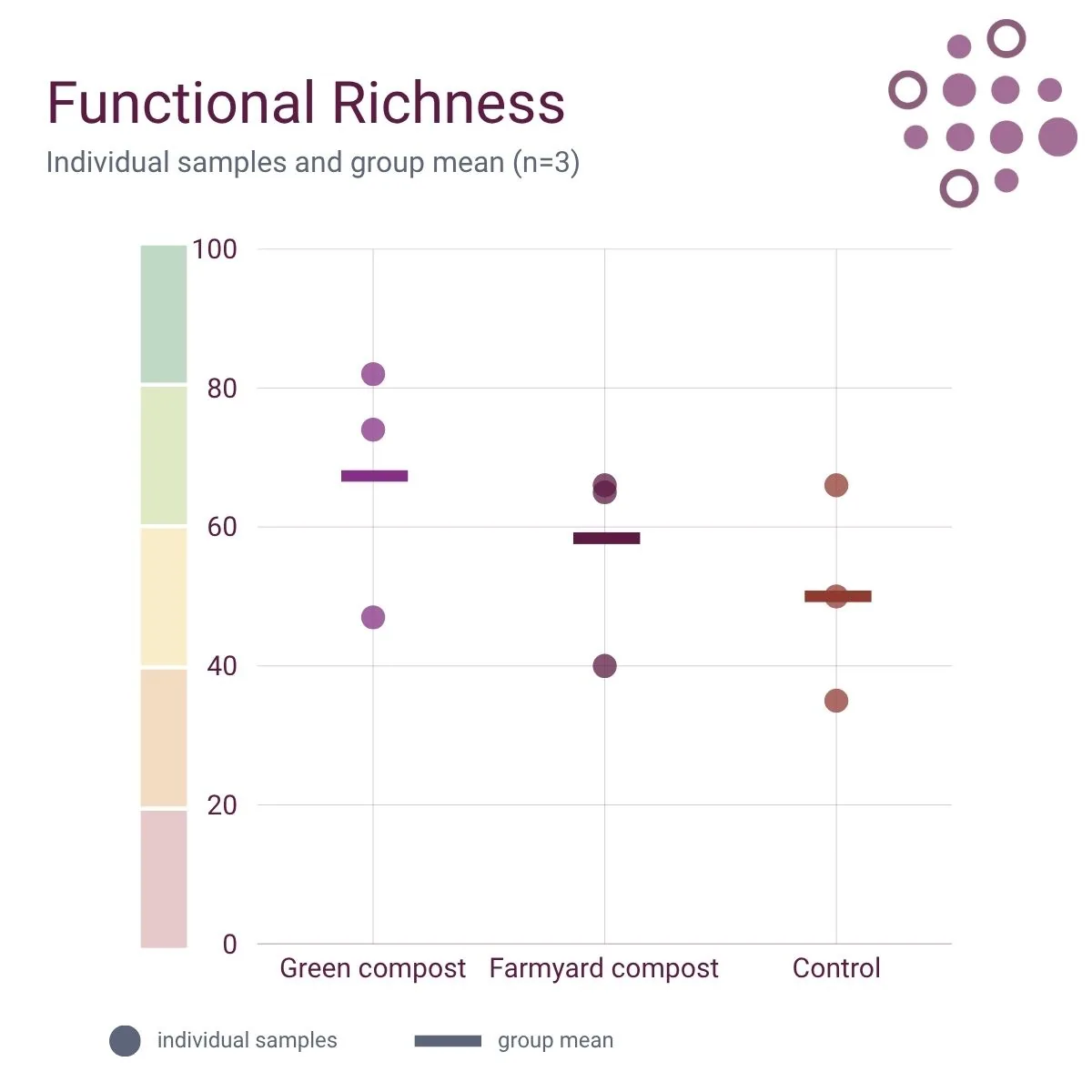
While Microbial Performance and Microbial Biodiversity provide a broad overview of the soil microbial community, Functional Richness looks at how many different biological functions that community can perform.
The highest Functional Richness was observed in the green compost treatment (67.7), followed by farmyard compost (57.0) and the untreated control (50.0).
These results suggest that long-term applications of green compost supported a wider range of microbial functions than either farmyard compost or no compost application. This may indicate a greater capacity of the soil microbial community to contribute to different soil processes.
To better understand which functions were affected, three key functional indicators were evaluated: Decomposition, Nitrogen Cycling, and Phosphorus Mobilisation.
Decomposition Potential
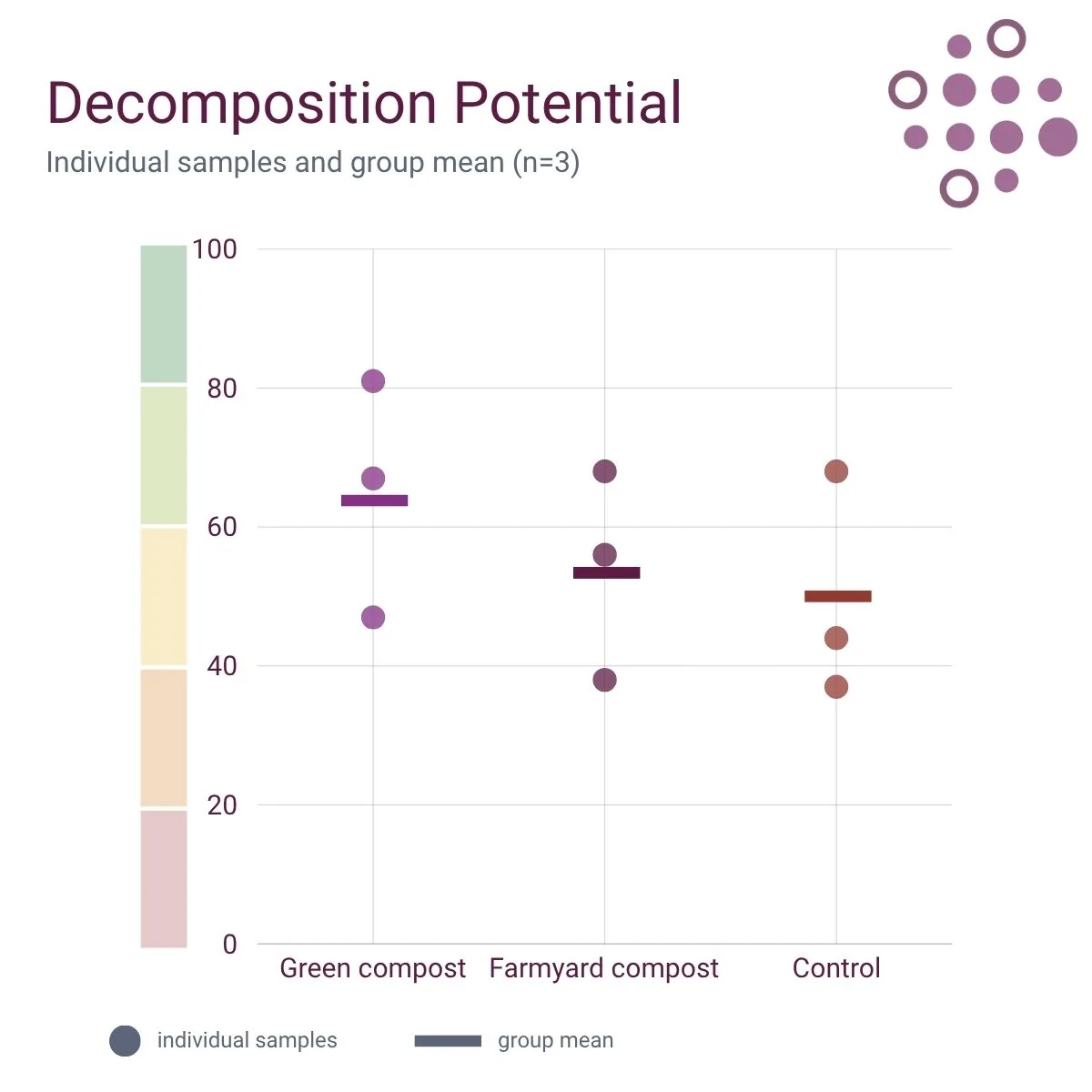
The strongest response was observed for Decomposition Potential, which reflects the ability of the microbial community to break down organic matter.
The highest score was recorded for green compost (65), followed by farmyard compost (54) and the untreated control (50).
This result is consistent with the long-term addition of organic materials through compost application. The stronger response observed in the green compost treatment suggests that it provided particularly favourable conditions for microorganisms involved in the decomposition process.
Nitrogen Cycling Potential
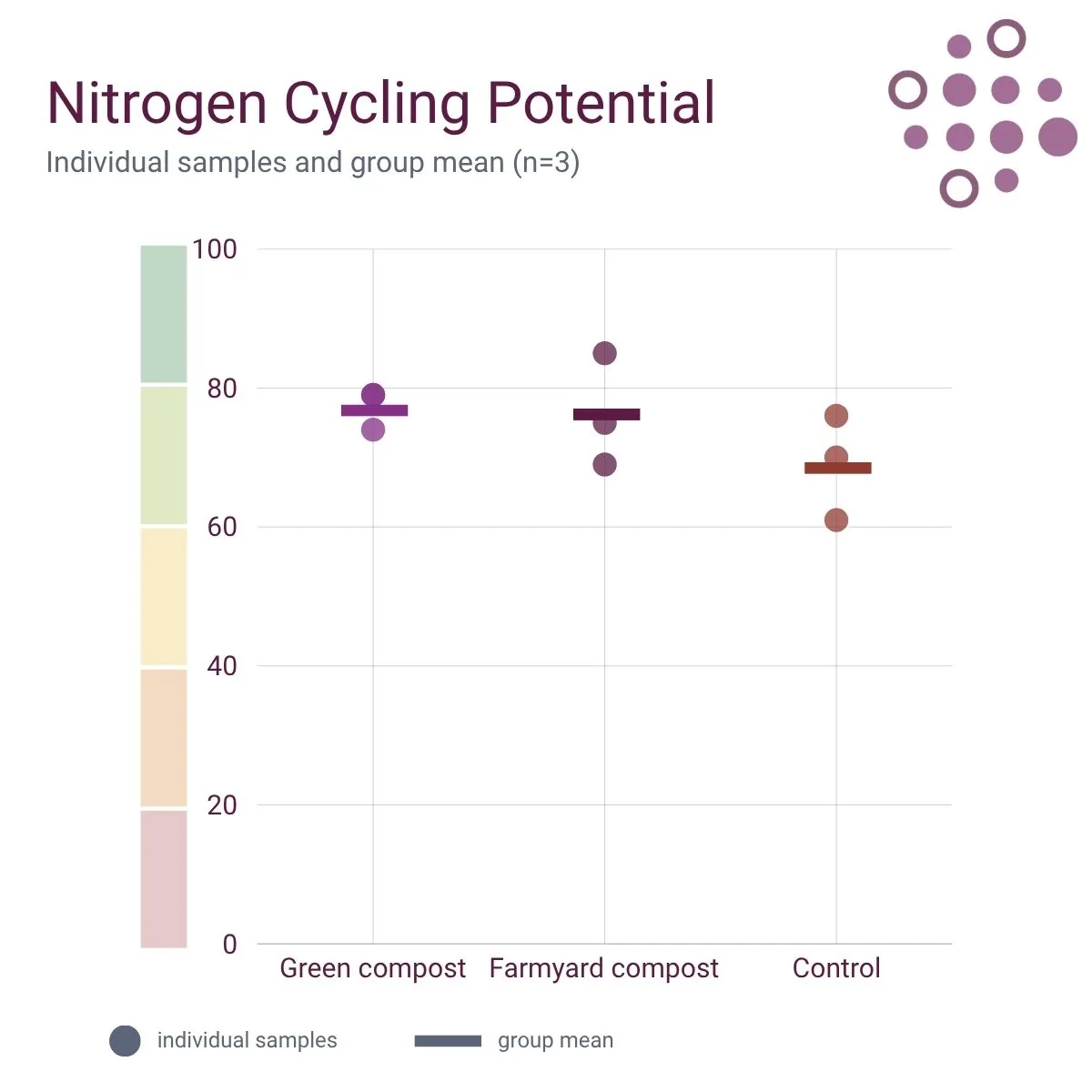
In contrast, Nitrogen Cycling Potential was high across all treatments.
Green compost achieved a score of 77, farmyard compost 76, and the untreated control 69.
The relatively small differences suggest that nitrogen-related microbial processes were well maintained throughout the trial, regardless of compost treatment.
Phosphorus Mobilisation Potential
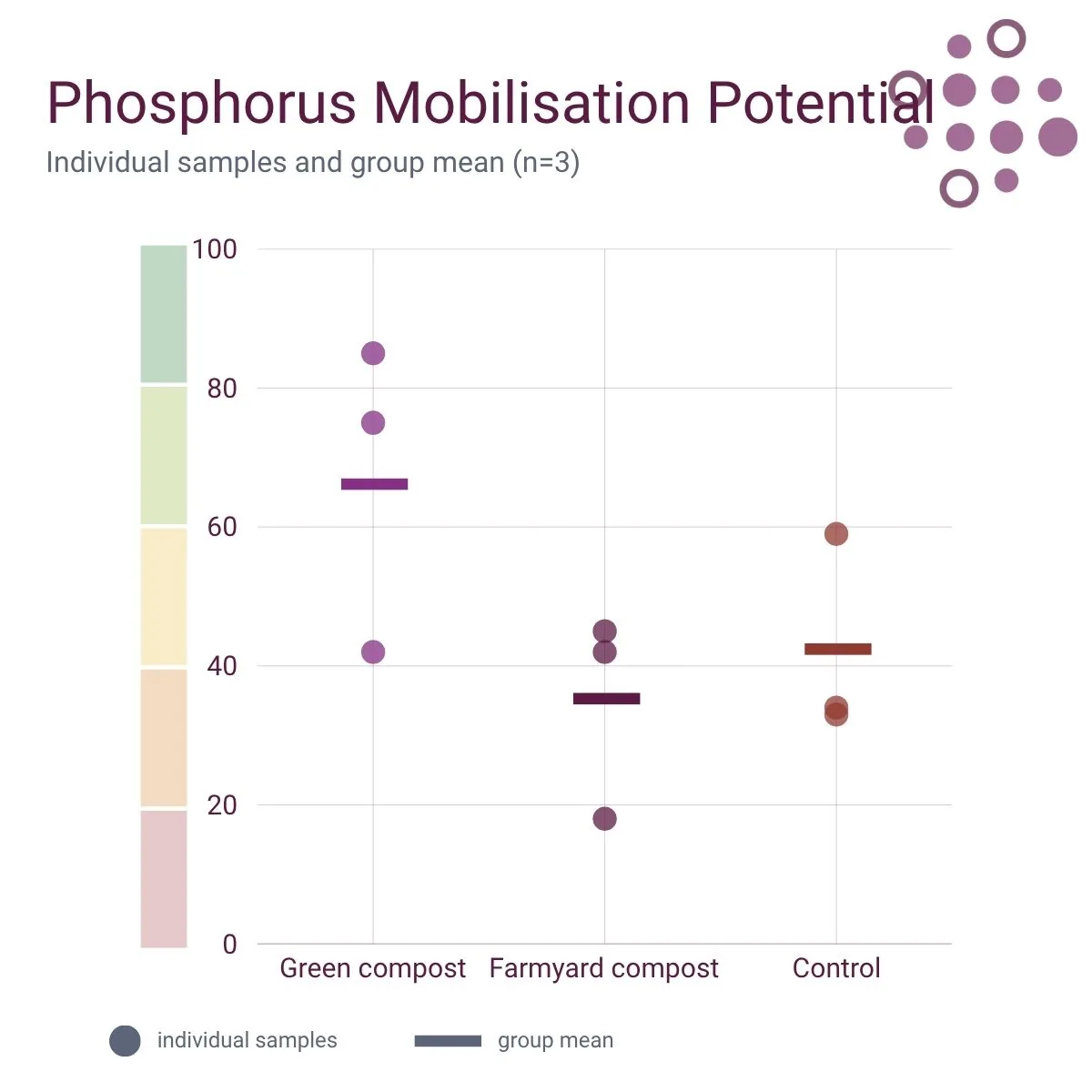
The largest differences between treatments were observed for Phosphorus Mobilisation Potential, which reflects the potential microbial activity associated with phosphorus mobilisation.
The highest score was again observed in the green compost treatment (67), compared with 42 for the untreated control and 35 for farmyard compost.
This result suggests that long-term applications of green compost supported microbial communities with a greater potential to perform phosphorus-related processes.
The lower Phosphorus Mobilisation Potential observed in the farmyard compost treatment does not necessarily mean that this soil had poor phosphorus status. Available soil analyses indicated that both fields contained similar levels of phosphorus, suggesting that the observed differences were not simply explained by the amount of phosphorus present in the soil.
Instead, the results point to differences in the microbial potential associated with phosphorus mobilisation. This suggests that the two compost types may have influenced phosphorus-related microbial processes differently over the course of the long-term trial. The mechanisms behind this difference cannot be determined from this study alone, but the findings highlight how functional soil biological analysis can reveal differences that are not always apparent from conventional soil tests.
Together, these results show that not all microbial functions responded equally to compost application. While Nitrogen Cycling Potential remained consistently high across treatments, the largest differences were observed for Decomposition Potential and Phosphorus Mobilisation Potential, with green compost achieving the highest scores in both cases.